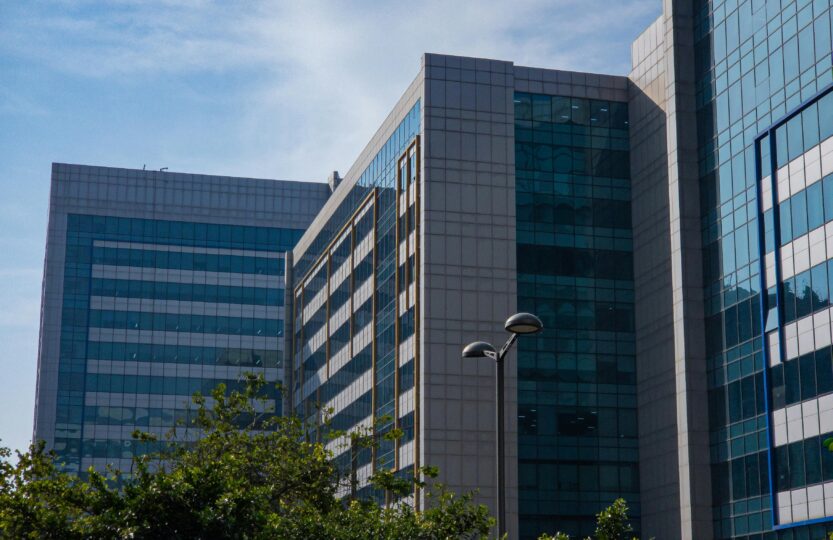
According to data from Moody’s Analytics reported by Axios, roughly 21% of office space across major U.S. markets sat vacant in the first quarter of 2026, up sharply from 17% in 2020.
The trend persists despite ongoing return-to-office efforts by many employers. Workers are still spending about a quarter of their workdays outside the office, compared to just 7% before the pandemic. It is a dramatic shift that continues to reshape demand for commercial space.
The implications for commercial real estate are significant. With companies needing less space, landlords are facing prolonged vacancies, declining valuations and increasing pressure to reposition or repurpose assets. This feels less like a temporary downturn and more like a long-term transformation, similar to what retail experienced during the rise of e-commerce.
One of the primary responses has been converting office buildings into residential units. In cities like New York and Washington, D.C., thousands of apartments are now being created from obsolete office space, helping bring life back to underutilized downtown corridors.
In many cases, the strategy is working. Conversions reduce excess office inventory while adding much-needed housing in urban cores where demand remains strong.
But the solution has limits. Not every office building can be converted due to layout constraints, lack of natural light or high costs. Many of the projects that do move forward result in higher-end apartments, doing little to address broader housing affordability challenges. At scale, conversions are unlikely to absorb the full volume of vacant space.
Some Sun Belt markets, including parts of Florida, have fared better than older Northeast and Midwest cities, driven by population growth and stronger return-to-office trends. Even in those markets, developers are beginning to evaluate conversions and downsizing strategies as companies reassess long-term space needs.
I believe this trend is going to continue.
Remote work works for many companies and across most employment types. In many cases, it has become essential to staying competitive. It allows companies to access a broader and more qualified talent pool, particularly in roles like sales where employees can operate and thrive in a remote environment.
Work-life balance has become a priority for employees, and companies that can operate effectively in a hybrid or remote model are seeing real cost savings. Once organizations figure that out, it becomes difficult to justify returning to the old office footprint.
Those savings, from reduced leases, smaller footprints and lower overhead, are increasingly influencing corporate decision-making. The result is a commercial real estate market in transition, where the traditional office is being redefined and, in many cases, replaced entirely.
Photo by rachnalok via pexels.com